

Haramosh Peak Expedition
Overview
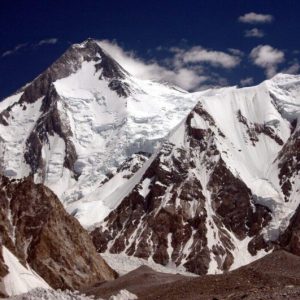
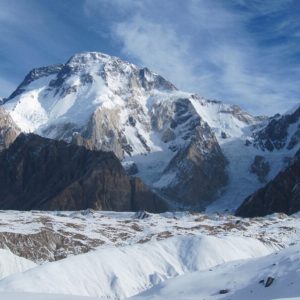
Rising like a stone fortress above the north bank of the Indus River, Haramosh Peak (Urdu: ہراموش چوٹی) — also known as Peak 58 — stands at an awe-inspiring 7,409 metres (24,308 ft) in the heart of the Karakoram Range. Located around 65 km east of Gilgit, in the Rakaposhi–Haramosh Mountains subrange, the peak dominates the landscape with sheer rock walls and glaciers that plunge thousands of metres into the valleys below.
From a distance, Haramosh appears serene, but its history tells a very different story — one of courage, tragedy, and rare triumphs.
The Haramosh Massif
Haramosh is not a lone peak but part of a rugged massif that includes:
→ Haramosh Peak – the main summit
→ Haramosh Kutwal Laila Peak – its striking companion
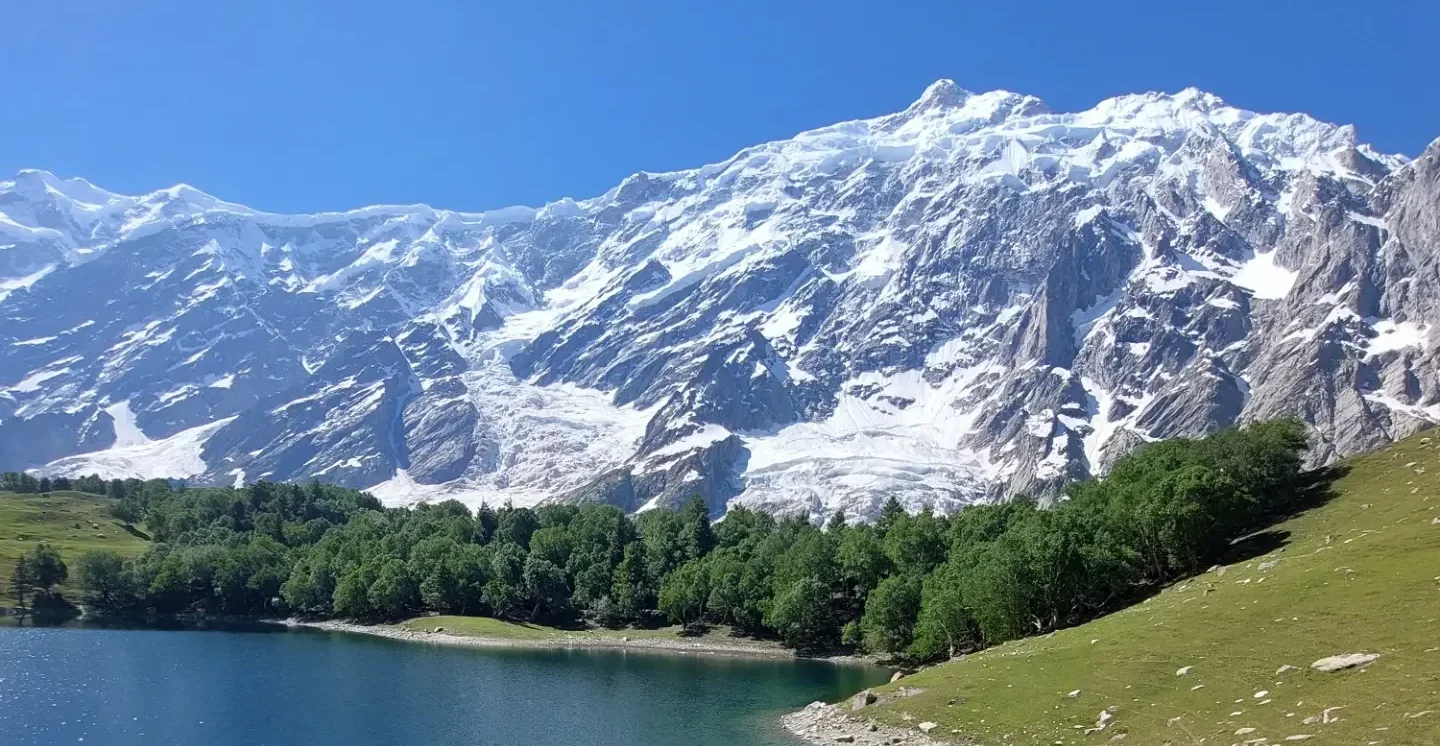
The massif is surrounded by glaciers, deep valleys, and some of the most remote terrain in the Karakoram. Climbers and trekkers who venture here find themselves in a wild, isolated world.
A History Written in Triumph and Tragedy
→ 1947 – First exploration of the area by a Swiss team.
→ 1955 – German team investigates a possible northeast route.
→ 1957 – An ill-fated Oxford University expedition attempted the ascent. The team — Tony Streather, John Emery, Bernard Jillot, and Rae Culbert — faced relentless hardships. Jillot and Culbert lost their lives, and Emery suffered severe frostbite, losing all fingers and toes. Their harrowing story is immortalized in Ralph Barker’s “The Last Blue Mountain.”
First Successful Ascent – 1958
On 4 August 1958, three Austrian climbers — Heinrich Roiss, Stefan Pauer, and Franz Mandl — reached the summit via the Haramosh La and East Ridge, following a route similar to the one taken in 1957.
Rare Conquests Since Then
Haramosh is among the least-climbed 7,000-metre peaks in the Karakoram. The Himalayan Index records only three more successful ascents:
→ 1978 – Japanese team via the West Ridge
→ 1979 – Unknown party and route
→ 1988 – Polish team via the Southwest Face
Its remoteness, unpredictable weather, and technical challenges have kept it elusive.
Why Haramosh Peak Captivates Mountaineers
→ Remote & Untouched – Few climbers, fewer camps, and no crowds.
→ Epic Views – Rakaposhi, Spantik, and the mighty Indus from the summit ridge.
→ A Test of Skill & Will – Long glacier approaches, steep ridges, and avalanche-prone faces.
For those who dare, Haramosh is not just a climb — it’s a journey into one of the last untouched mountain realms of the Karakoram.
Trek Highlights
→ Altitude: 7,409 m (24,308 ft)
→ Location: Gilgit-Baltistan, Pakistan – Karakoram Range
→ Region: Rakaposhi–Haramosh Mountains subrange
→ Best Season: June to September
→ Difficulty Level: Extremely challenging (technical mountaineering experience required)
→ First Ascent: 4 August 1958 by Austrian climbers Heinrich Roiss, Stefan Pauer, and Franz Mandl
→ Notable Feature: Rarely climbed – only a handful of successful summits in recorded history
→ Scenery: Towering granite walls, immense glaciers, lush Kutwal Valley meadows, and sweeping views of Rakaposhi, Spantik, and the Indus River Valley
Suggested Trekking & Climbing Itinerary
(Itinerary is flexible depending on weather, team pace, and acclimatization needs)
Day 1: Arrival in Gilgit – Transfer to hotel, briefing, and final preparations.
Day 2: Drive to Sassi Village – Scenic drive along the Indus River.
Day 3: Trek to Kutwal Lake – Gentle trek through meadows, with stunning views of Haramosh.
Day 4: Rest & Acclimatization at Kutwal Lake – Explore surroundings and prepare for higher altitude.
Day 5: Trek to Base Camp – Set up base camp at the foot of Haramosh Glacier.
Day 6–20: Climbing Period – Establish high camps, acclimatize, and attempt the summit via chosen route.
Day 21: Return to Base Camp – Descend safely after summit attempt.
Day 22: Trek back to Sassi Village.
Day 23: Drive to Gilgit – End of expedition services.
Why Choose Haramosh Peak for Your Next Expedition?
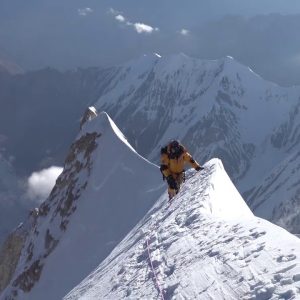
Haramosh Peak is not for beginners. This is a mountain for those who seek true adventure in one of the most remote corners of the Karakoram. Its beauty is matched only by its challenge — from lush valleys and crystal lakes to massive ice walls and knife-edge ridges. A successful ascent of Haramosh is a rare achievement, a badge of honor in the mountaineering world.
Trek Highlights
→ Altitude: 7,409 m (24,308 ft)
→ Location: Gilgit-Baltistan, Pakistan – Karakoram Range
→ Region: Rakaposhi–Haramosh Mountains subrange
→ Best Season: June to September
→ Difficulty Level: Extremely challenging (technical mountaineering experience required)
→ First Ascent: 4 August 1958 by Austrian climbers Heinrich Roiss, Stefan Pauer, and Franz Mandl
→ Notable Feature: Rarely climbed – only a handful of successful summits in recorded history
→ Scenery: Towering granite walls, immense glaciers, lush Kutwal Valley meadows, and sweeping views of Rakaposhi, Spantik, and the Indus River Valley
Suggested Itinerary
(Itinerary is flexible depending on weather, team pace, and acclimatization needs)
Day 1: Arrival in Gilgit – Transfer to hotel, briefing, and final preparations.
Day 2: Drive to Sassi Village – Scenic drive along the Indus River.
Day 3: Trek to Kutwal Lake – Gentle trek through meadows, with stunning views of Haramosh.
Day 4: Rest & Acclimatization at Kutwal Lake – Explore surroundings and prepare for higher altitude.
Day 5: Trek to Base Camp – Set up base camp at the foot of Haramosh Glacier.
Day 6–20: Climbing Period – Establish high camps, acclimatize, and attempt the summit via chosen route.
Day 21: Return to Base Camp – Descend safely after summit attempt.
Day 22: Trek back to Sassi Village.
Day 23: Drive to Gilgit – End of expedition services.