|


Introduction

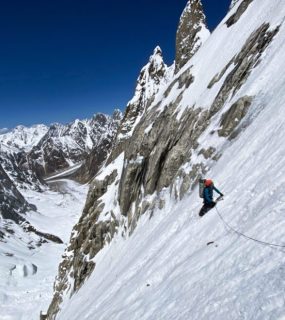
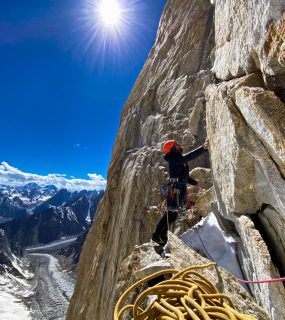
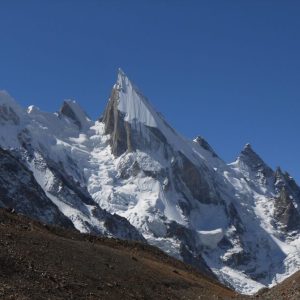
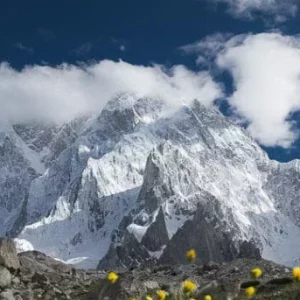
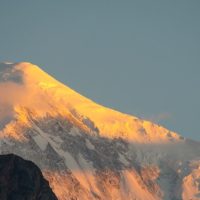
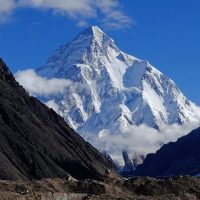
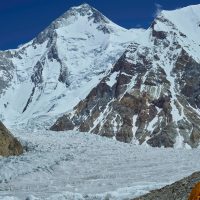
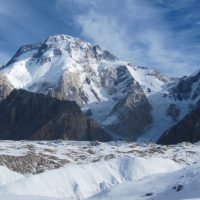
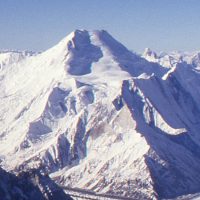
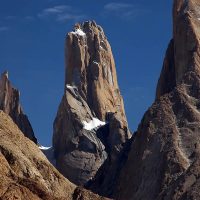
Hashu Peak is a relatively unknown summit located in the rugged Kondus Valley of Gilgit-Baltistan, Pakistan. Nestled among some of the Karakoram’s towering giants like Link Sar, K-6, K-7, Sherpi Kangri, and Saltoro Kangri, Hashu Peak offers seclusion, raw alpine terrain, and the appeal of an unclimbed or lightly climbed peak. This page gathers what is known, what to expect, and how to plan for visiting or attempting Hashu Peak.


Name & Location

  • Name: Hashu Peak (local name may vary; spelling “Hashu”, “Hashoo”, etc.).

  • Valley: Kondus Valley, Ghanche District, Gilgit-Baltistan. Kondus lies near the border with China and close to sensitive glacier zones. Wikipedia+1

  • Coordinates & Elevation: [Unknown] — Local sources or survey maps required.

  • Surroundings: Likely near other peaks of the Kondus region: granite towers, glaciers (e.g. Kondus Glacier, Kaberi Glacier), alpine passes.


Geography & Terrain


History & Climbing / Trekking Status

  • No documented first ascent known publicly (as of now) for Hashu Peak (unless local reports exist).

  • Likely very few or no climbing expeditions — ideal for exploratory or first ascent missions.


Access Route & Logistics

  • Starting Point: Probably via Khaplu → Kondus Valley. Local village “Khorkondo” etc. Khaplu+1

  • Permissions: Must check with local authorities (Gilgit-Baltistan government, Army, Border/Security agencies) because of proximity to sensitive borders.

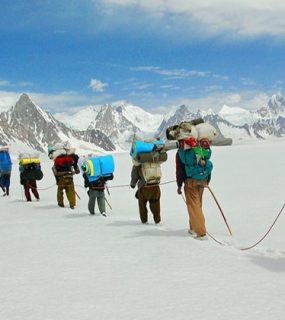
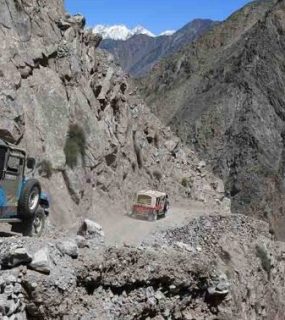
  • Trek Duration: Depending on elevation and route, multi-day approach through valley, glacier(s), base camps.

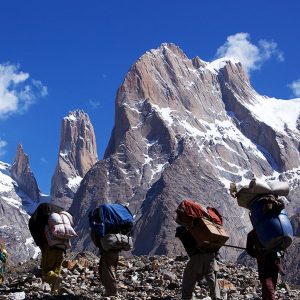
  • Support: Arrange local porters, guides familiar with Kondus region, glacier navigation.


Best Time to Visit

  • Summer months (June through September) are most feasible: less snow, more stable weather.

  • Avoid winter due to excessive snow, avalanche risk, and access difficulties.


Why Hashu Peak is Special

  • Untouched or lightly visited — opportunity for first ascents, new routes, exploration.

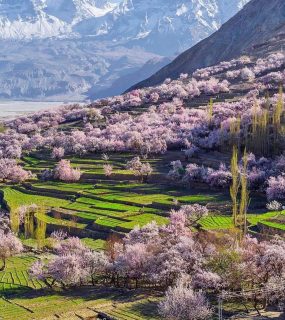
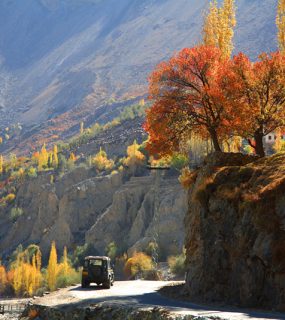
  • Dramatic scenery — high ridges, rugged glaciers, dramatic peaks around.

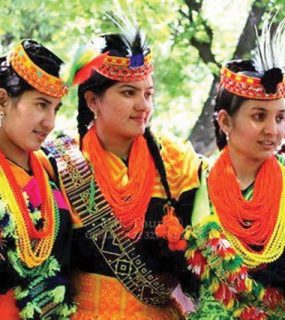
  • Cultural immersion — Kondus Valley has local Balti culture, remote villages, unique flora & fauna.


Risks & Safety

  • Permits and clearances required.

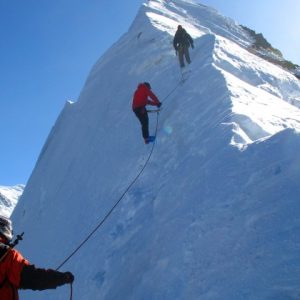
  • Altitude, weather changes, glacier risks (crevasses, icefall).

  • Logistics are tough: infrastructure limited; communication poor; rescue limited.


Culture & Environment

  • Local communities in Kondus practice agriculture, pastoralism; speak Balti language. Khaplu+1

  • Possible sightings of wildlife adapted to high altitude; alpine flora in summer.

  • Fragile ecosystems: glaciers, mountain slopes, water sources subject to climate change.


Suggested Itinerary

DayActivity
Day 1Travel to Skardu or Gilgit; arrange permits and gear
Day 2Move towards Khaplu, Kondus base village (e.g. Khorkondo)
Day 3-Trek up valley toward glaciers or base camp for Hashu Peak
Day 4 to  15+Establish high camps; attempt summit (if prepared)
FinalReturn to base village; travel back to Skardu/Gilgit

Contact us for cost and other latest updates etc.

    FAQ (Frequently Asked Questions)

    Q: What is the height of Hashu Peak?
    A: It is about 6080m above the sea level.  

    Q: Has Hashu Peak been climbed before?
    A: Yes it has been climbed by a 03 members Japanese team during summer 2025.

    Q: Do I need a permit/tourist permission to go there?
    A: Yes. Kondus Valley is sensitive due to its proximity to borders. Permissions, NOCs, and possibly coordination with security-agencies will be needed.

    Q: How hard is the climb / trek?
    A: Likely hard — combines long approach, glacier travel, steep rock/snow/ice, unpredictable weather. High altitude readiness is essential.

    Q: When is the best season to visit?
    A: Summer months (June-September) are preferable for safer weather and better trail conditions.

    Q: What supplies or gear should I carry?
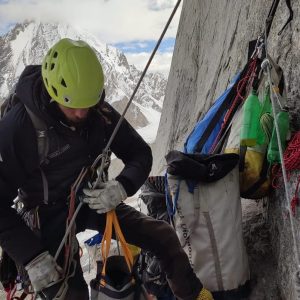
    A: Good mountaineering gear, glacier gear, warm clothing, camping supplies, communication equipment, emergency/first aid kit. Hire local guides with experience.

    Q: How remote is the area and what infrastructure exists?
    A: Very remote. Few services, limited lodging, basic village support in Kondus; supply/delivery often challenging.